What to do if your yard had parvo
A 12-month decontamination playbook for homes that lost a dog to parvovirus, written for the next dog, not the last one.
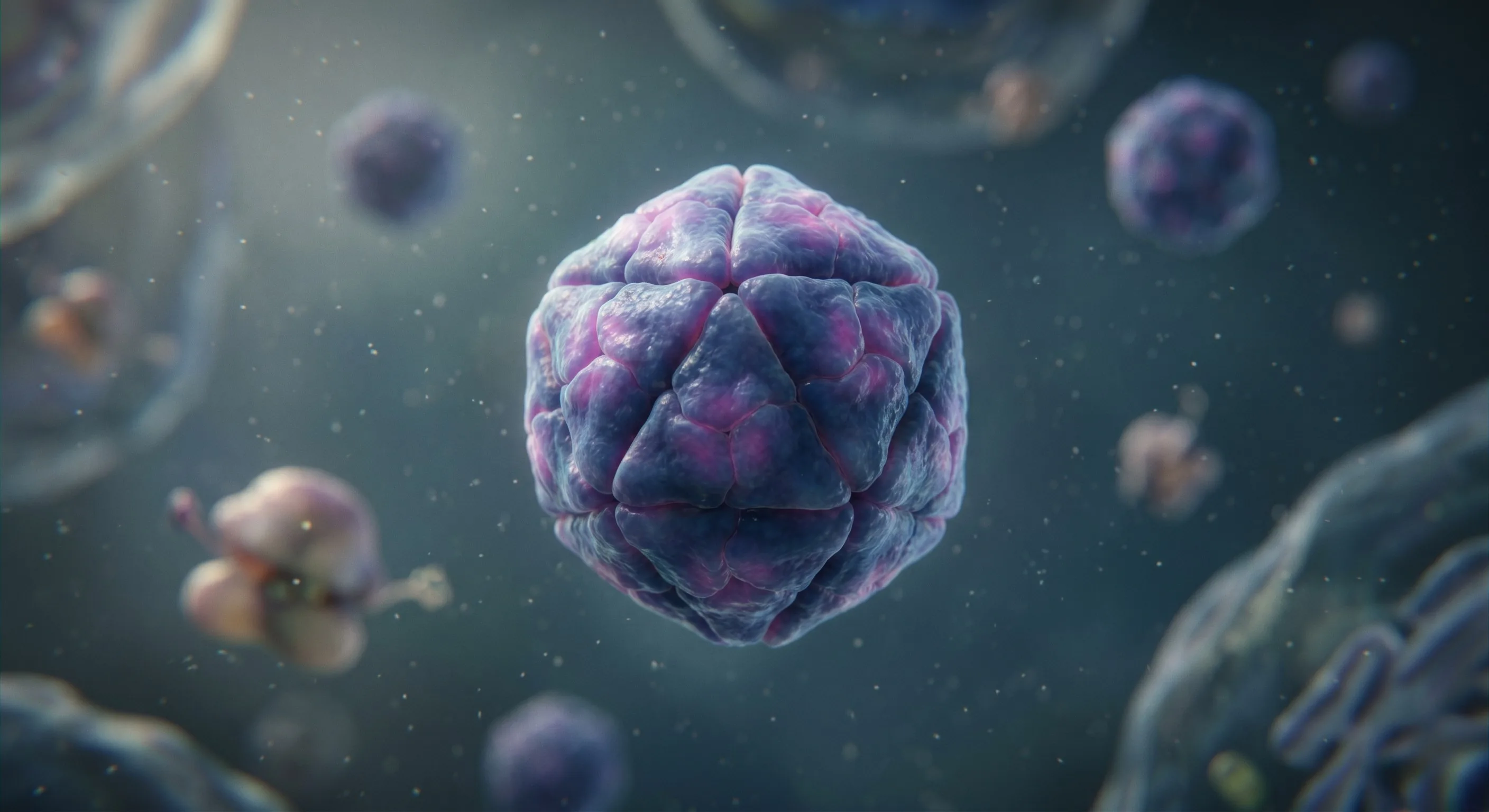
Here's the part most people don't think about: scooping the pile is the easy half of the job. The half that matters more, the part your dog walks through, your kids play on, your toddler's hand finds on the patio, is what gets left behind. Bacteria. Eggs. Cysts. Viruses. Most of them invisible. Some of them stubborn.
So when customers ask us how long all of that actually lasts, we don't shrug. We answer plainly. This guide is that answer, laid out the way we'd talk it through on your back patio, mid-visit, with the gate latched behind us.
The honest answer is: it depends on the bug. A pile of dog waste isn't a single organism, it's a small ecosystem of microbes, some of which are harmless gut flora and some of which can make you, your dog, and your neighbor's dog very sick.
Under typical outdoor conditions, here's roughly how long the most common pathogens stay viable:
Temperature and moisture move every one of those numbers. Hot, dry, sun-baked? Bacterial counts drop fast. Cool, shady, damp? They linger. Utah summers help us. Utah springs do not.
"Germs" is the everyday word for a wider category, bacteria and viruses and protozoa and the parasite eggs hiding inside dried-up waste long after it's stopped looking like anything at all. So the timeline gets longer.
A reasonable rule of thumb:
"The visible mess takes a minute to clean up. The invisible one, the eggs, the cysts, the spores, is what the next several months of yard health actually depends on."
The working assumption of every Scoopie visitThis is the part most pet parents don't realize: your yard has a memory. A pile that sat for two weeks last October left something behind. So did the one before that. Cleaning weekly isn't just about appearance, it's about not letting that microbial ledger compound.
"Toxic" gets used two ways here, and they're worth separating, because the answer changes depending on what you actually mean.
Dog waste is high in nitrogen and acidic enough to scorch turf within 24 to 72 hours. That's why you get those telltale yellow-brown burn patches with darker green rings around them. The lawn damage is fast and visible.
The pathogen side of "toxic" is much longer-lived. A fresh pile is at peak risk for bacterial transmission, that's the worst window for, say, a barefoot toddler. But the long tail matters more than most people realize:
0–72 hours: Peak bacterial load. Highest acute illness risk.
1–4 weeks: Most common bacteria die off; protozoa & viruses still active.
1–12 months: Parvo and Giardia cysts continue to lurk, invisible to the eye. Parasite eggs persist for years.
So the colloquial answer, "a few days", is right for the lawn-burn version. The healthcare answer is closer to a year, sometimes longer. Both are true; they're just measuring different things.
Yes. And not in a hand-wavy "everything is technically possible" way, in a documented, measurable way. The category is called zoonotic disease: illnesses that move from animals to people. Dog waste is one of the more reliable vectors for it, especially indoors where waste can dry, aerosolize, or end up on hands.
The most common indoor exposure routes are surprisingly mundane: a paw that walks through the yard and onto the kitchen tile. A child who plays on the carpet where there was once a stain. A backpack set on the patio. Hands not washed quite well enough.
Children under five, anyone pregnant, adults over 65, immunocompromised people, and other pets in the home, especially puppies who haven't completed their vaccination series.
The fix is not paranoia, it's hygiene. Clean spills with the right product (we'll get to that next), keep paws wiped after yard time, and don't let waste sit indoors longer than it takes to bag it.
Most of what people reach for under the sink doesn't actually do the job. Here's what works, what kind-of works, and what to skip, with an important distinction between hard surfaces and grass and soil, because those are two completely different problems.
| Method | What it kills | Where it works | Effectiveness |
|---|---|---|---|
| Bleach solution (1:10) | Most bacteria, viruses including parvovirus, Giardia cysts at proper contact time | Hard non-porous surfaces only, fails on grass and soil, consumed by organic matter | Strong on hard surfaces |
| Hospital-grade hypochlorous acid (Wysiwash, what we use) | Bacteria including E. coli and Salmonella on hard surfaces and grass. Parvo and Giardia on hard non-porous surfaces only. | Hard surfaces: full kill including parvo and Giardia. Grass and soil: meaningful bacterial reduction, parvo and Giardia kill not reliable on organic surfaces. | Strong on hard surfaces Bacterial only on grass |
| Virkon-S (potassium peroxymonosulfate) | Parvo, bacteria, fungi, retains activity in the presence of organic matter better than bleach or hypochlorous acid | Hard surfaces and organic surfaces. Best available option for grass and soil after a confirmed parvo diagnosis, reduces viral load meaningfully though complete elimination not achievable. | Best for organic surfaces |
| Enzymatic cleaners (indoor) | Breaks down organic residue; reduces bacterial counts on carpet & hard floors | Indoor use only | Strong (indoor) |
| Hot water + dish soap | Reduces bacterial load mechanically; does not sanitize | Any surface | Partial |
| Steam (212°F+) | Most bacteria, viruses, and parasite eggs at sustained contact, the only method proven to kill roundworm eggs | Hard surfaces and upholstery indoors; not practical outdoors at scale | Strong (indoor/hard surfaces) |
| Direct sunlight / UV | Surface bacteria; does not reliably kill parasite eggs or parvo | Outdoor surfaces only | Partial |
| Vinegar, baking soda, "natural" sprays | Mild surfactants only; do not sanitize | Any surface, but none effectively | Insufficient |
| Hosing the area down | Spreads contamination further into soil & runoff | Anywhere, but makes things worse | Counterproductive |
On every Scoopie visit, we follow the Double-Walk Grid Method to physically remove the source, because no disinfectant works effectively around organic matter still sitting on top of it. From there, our bi-weekly Wysiwash Professional Sanitation treatment delivers hospital-grade hypochlorous acid across hard surfaces: patios, kennel runs, concrete, and decking, killing bacteria, surface fungi, and odor-causing organisms. On grass it meaningfully kills E. coli, Salmonella, and fecal bacteria, though parvo and Giardia control on organic surfaces requires a different protocol entirely.
No disinfectant on the market reliably kills roundworm, hookworm, or whipworm eggs in soil. They are hardened against chemistry. The only effective defense is physical removal, picking up waste consistently before eggs have time to embryonate and become infectious (typically 2–4 weeks in warm soil). This is the real reason regular scooping matters more than any spray.
Pick up solids with a paper towel. Apply an enzymatic cleaner labeled for pet waste, not just an odor neutralizer, those mask rather than kill. Let it dwell for the time stated on the label. Blot, don't rub. For hard floors, you can follow with a diluted bleach pass on tile or sealed concrete, but only for poop, never for urine. Then wash hands thoroughly.
Dog urine contains ammonia. Bleach plus ammonia produces chloramine gas, toxic to lungs, eyes, and skin. For urine accidents, use an enzymatic pet-urine cleaner only. Save the bleach for solid waste on hard surfaces, and only after the area has been rinsed clean first.
"Sanitation isn't a single product. It's the order you do things in, and knowing which surface you're treating."
Scoopie field protocolA few things customers ask about regularly: lime powder reduces odor and pH but doesn't reliably sanitize. "Septic enzymes" sprinkled on the lawn do almost nothing measurable. Letting the sun bake it dries the surface but does not neutralize parasite eggs or parvo. And freezing temperatures don't kill much either: Utah winter doesn't reset the yard the way people hope it does.
We're a Utah County and Salt Lake County team picking up where you don't have time to: weekly, biweekly, or one-time. Hospital-grade sanitization on hard surfaces included. Trained eyes on every pile.
 Yard wellness
A 12-month decontamination playbook for homes that lost a dog to parvovirus, written for the next dog, not the last one.
 Pet health
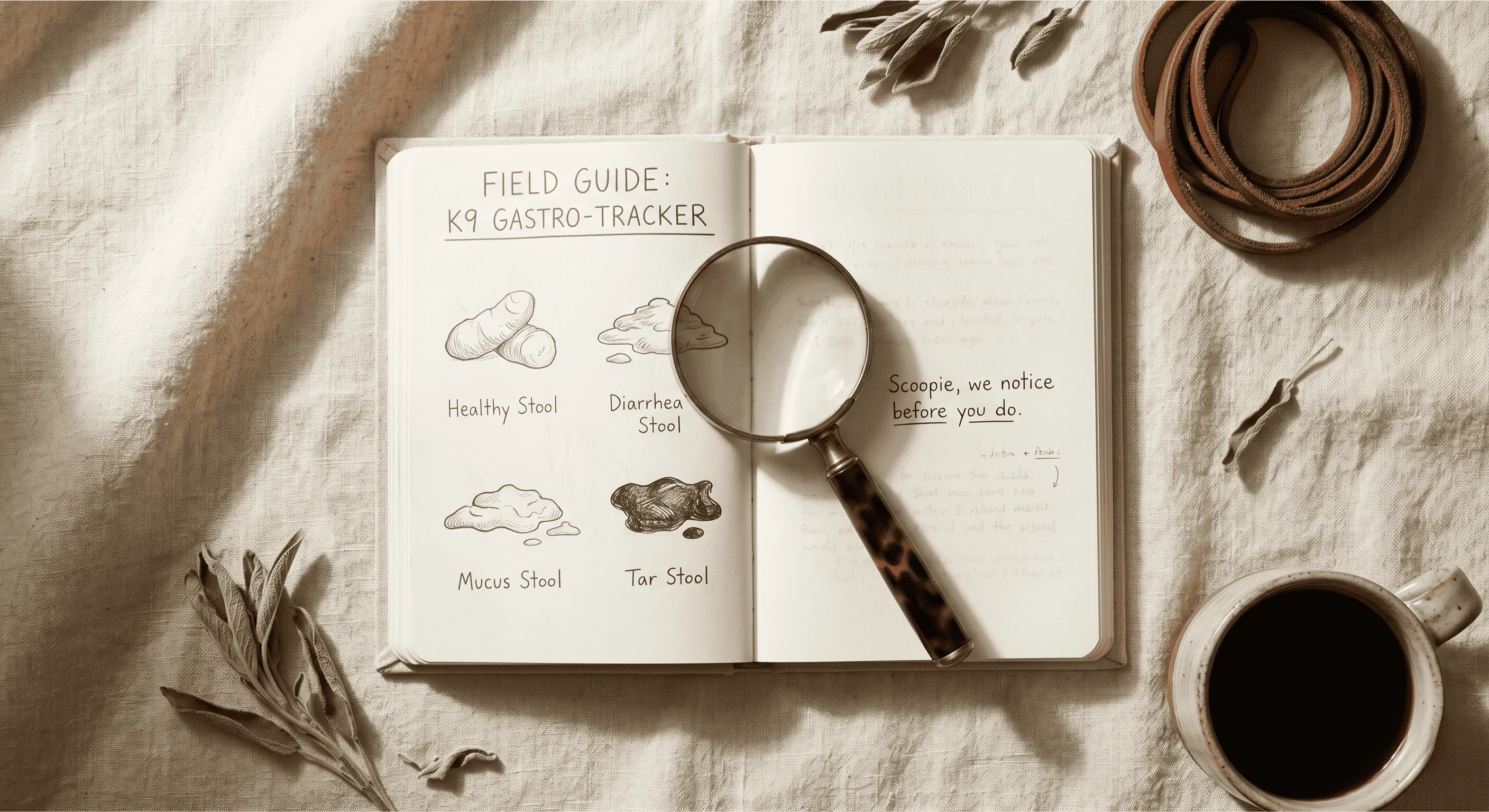
The early-warning signs we look for on every visit, and what each one usually points to.
 Pet safety
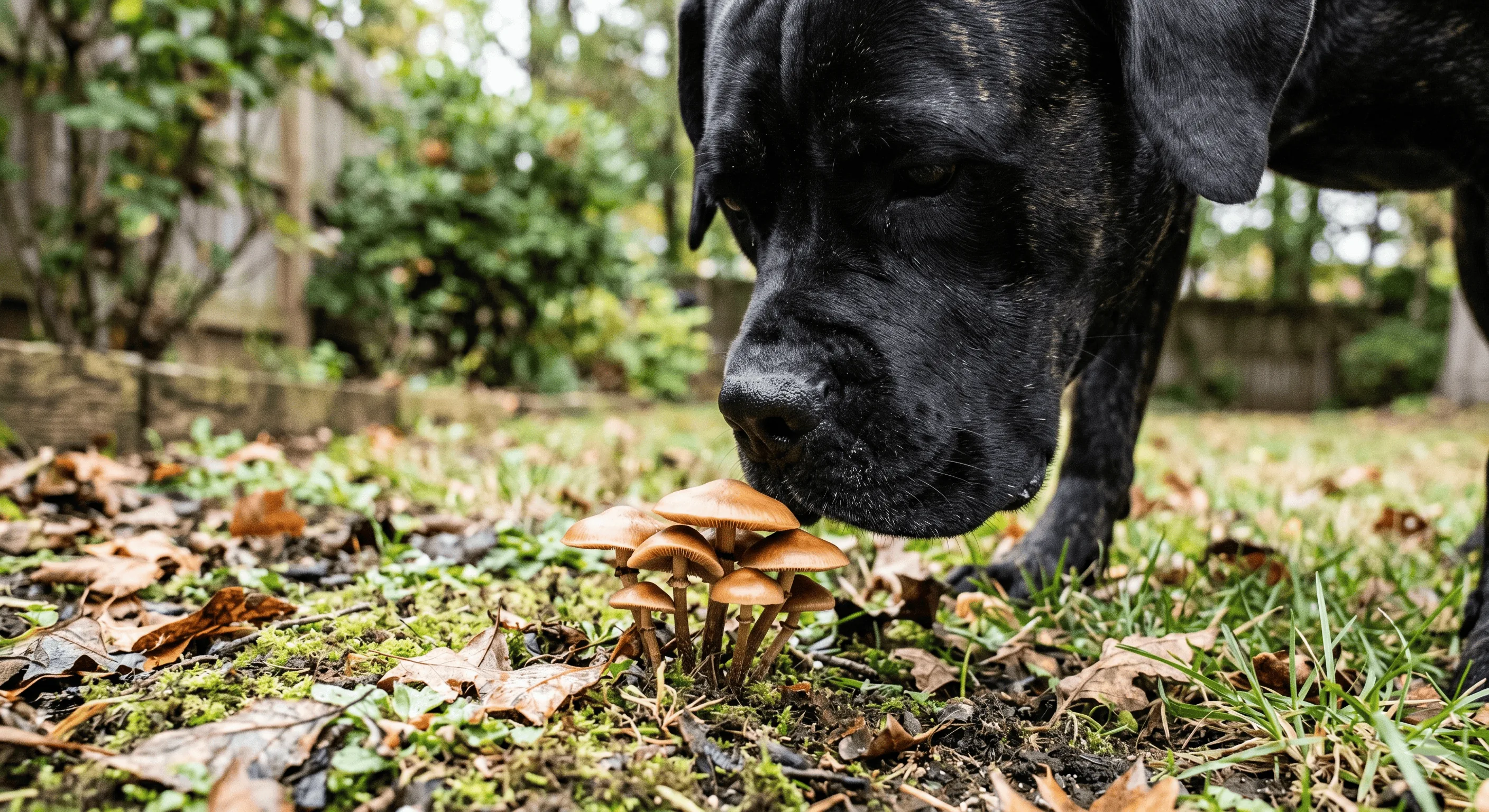
A field guide to the yard hazards every Utah dog owner should be able to identify on sight.
Weekly visits. Hospital-grade sanitization on hard surfaces. Trained eyes on every pile, every yard, every visit. Backed by the Double Guarantee.